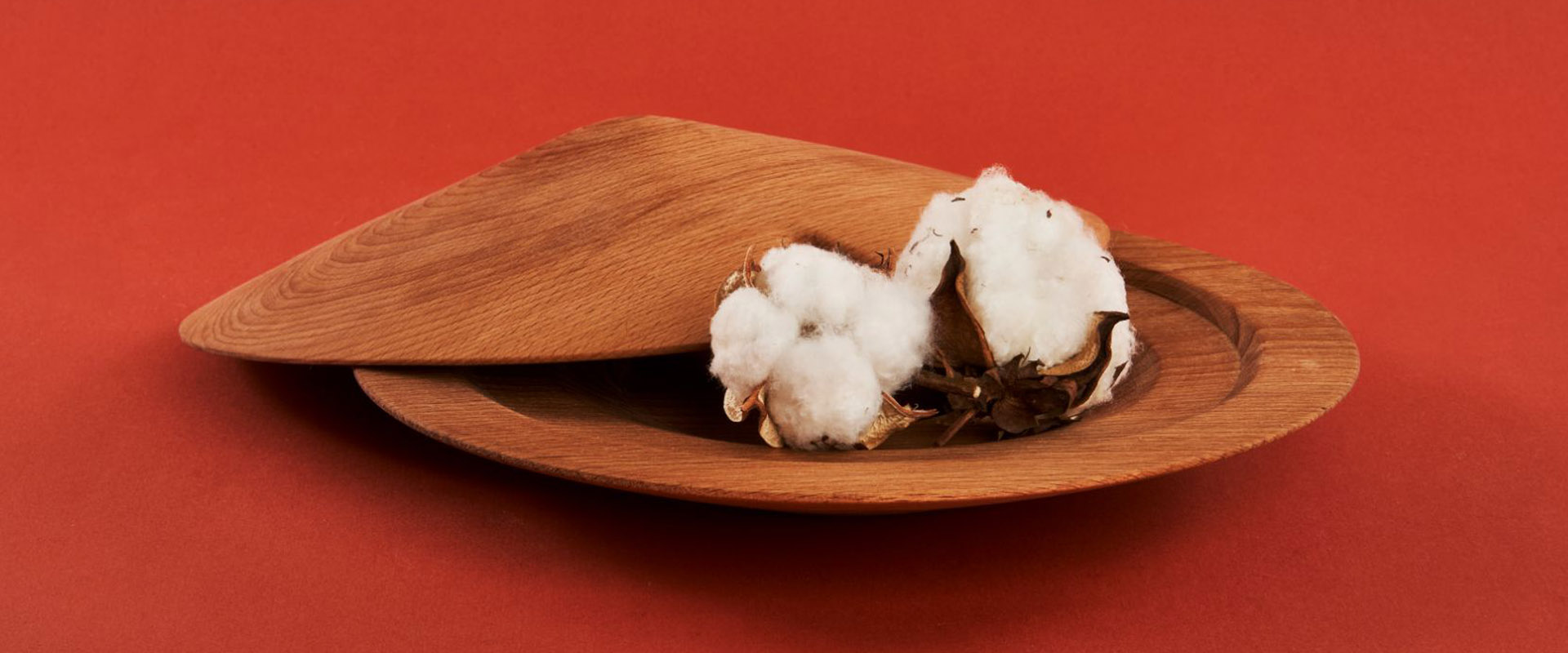
The Atlas Design Collection translates Mesopotamian knowledge and aesthetics to our times. Within the curatorship of Dilek Öztürk and Bilgen Coşkun, founders of in-between.online, Atlas aims to integrate global design discussion with social awareness and a sustainable design economy.
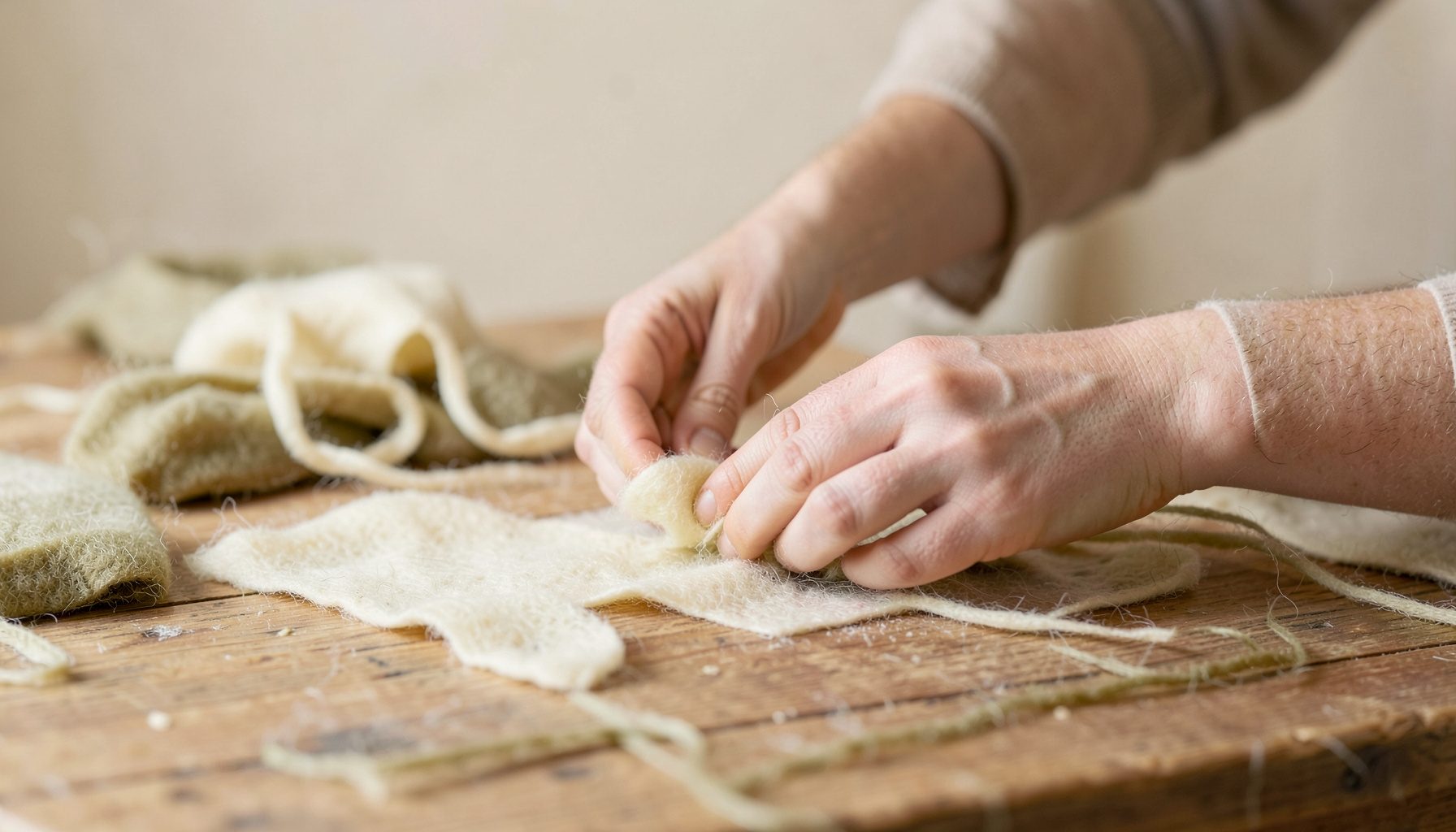
Social Impact
Empowering Women in Harran
The project supports local and Syrian women living in Harran, creating pathways to economic independence through skilled craft production. By encouraging women to take an active role in social life, Atlas fosters meaningful social change at the community level.
Production takes place across dedicated ateliers — felt, wood, weaving, and ceramics — housed within ADEM (Family Support Centre) under the Governorship of Harran.
The Atlas Design Collection draws its creative spirit from the ancient landscapes of Harran, where Mesopotamian civilizations once charted the stars and shaped clay into enduring forms. Each piece in the collection reflects a layered dialogue between past and present, translating centuries-old knowledge of celestial cycles, astrolatry, and traditional craftsmanship into contemporary objects. The warm tones of the earth, the geometry of ancient settlements, and the symbolic language of the sun, moon, and stars all find expression in the collection's tableware, textiles, and home accessories. This is not mere imitation but a thoughtful reinterpretation that honors the wisdom of the Harranian people while speaking fluently to modern sensibilities and lifestyles.
At the heart of the collection lies a deep commitment to social sustainability, particularly through the empowerment of women in the Harran region. Local and Syrian women are engaged in skilled handmade production, transforming traditional techniques into refined contemporary pieces. This approach creates meaningful economic pathways while preserving craft heritage that might otherwise fade. The design process prioritizes ethical collaboration, ensuring that the women artisans are recognized not merely as producers but as creative partners. By weaving together social impact and aesthetic excellence, the collection demonstrates that beautiful design can also be a force for positive change, supporting communities and sustaining cultural traditions for future generations.
The visual identity of Atlas Harran reflects a refined editorial sensibility, where generous white space and muted earth tones create a calm, premium atmosphere. Serif typography for headings evokes the timeless quality of ancient inscriptions, while clean sans-serif body text ensures clarity and modern readability. The palette of terracotta, olive, sand, and deep espresso browns mirrors the natural surroundings of the Mesopotamian plains, punctuated by subtle gold and navy accents. This thoughtful composition extends from the website to the products themselves, where minimal forms and soft textures invite touch and contemplation. Every design decision is made with intention, honoring the depth of the cultural references while maintaining a quiet, understated elegance.
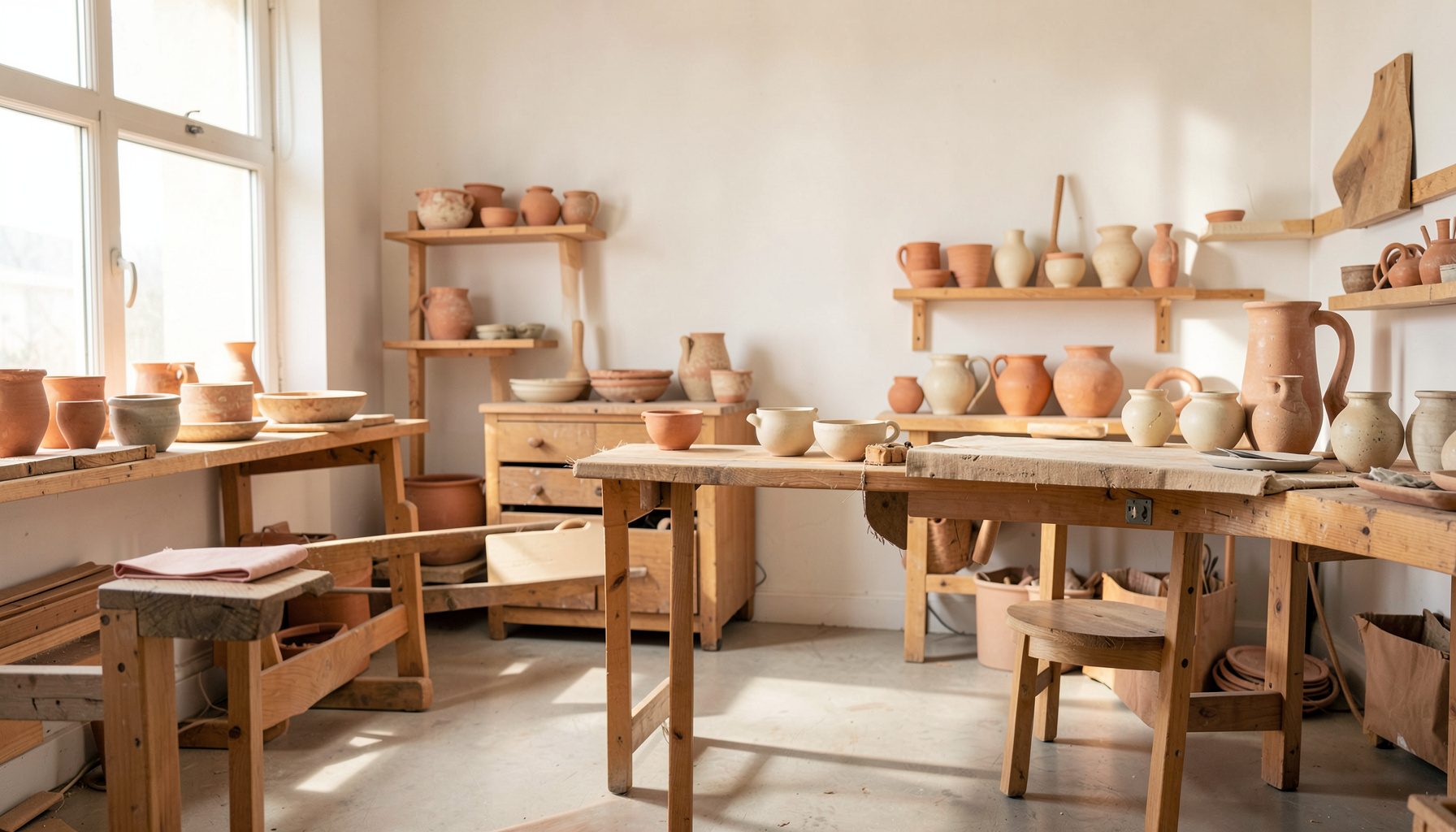
Craft Ateliers
Where Tradition Meets Design
Each atelier preserves and reinterprets time-honoured techniques. In the felt workshop, wool is transformed into rugs and wall hangings. The wood atelier produces serving boards and platters. The weaving studio creates textiles rooted in regional patterns, while the ceramic workshop shapes tableware inspired by Harran's cultural and astronomical heritage.
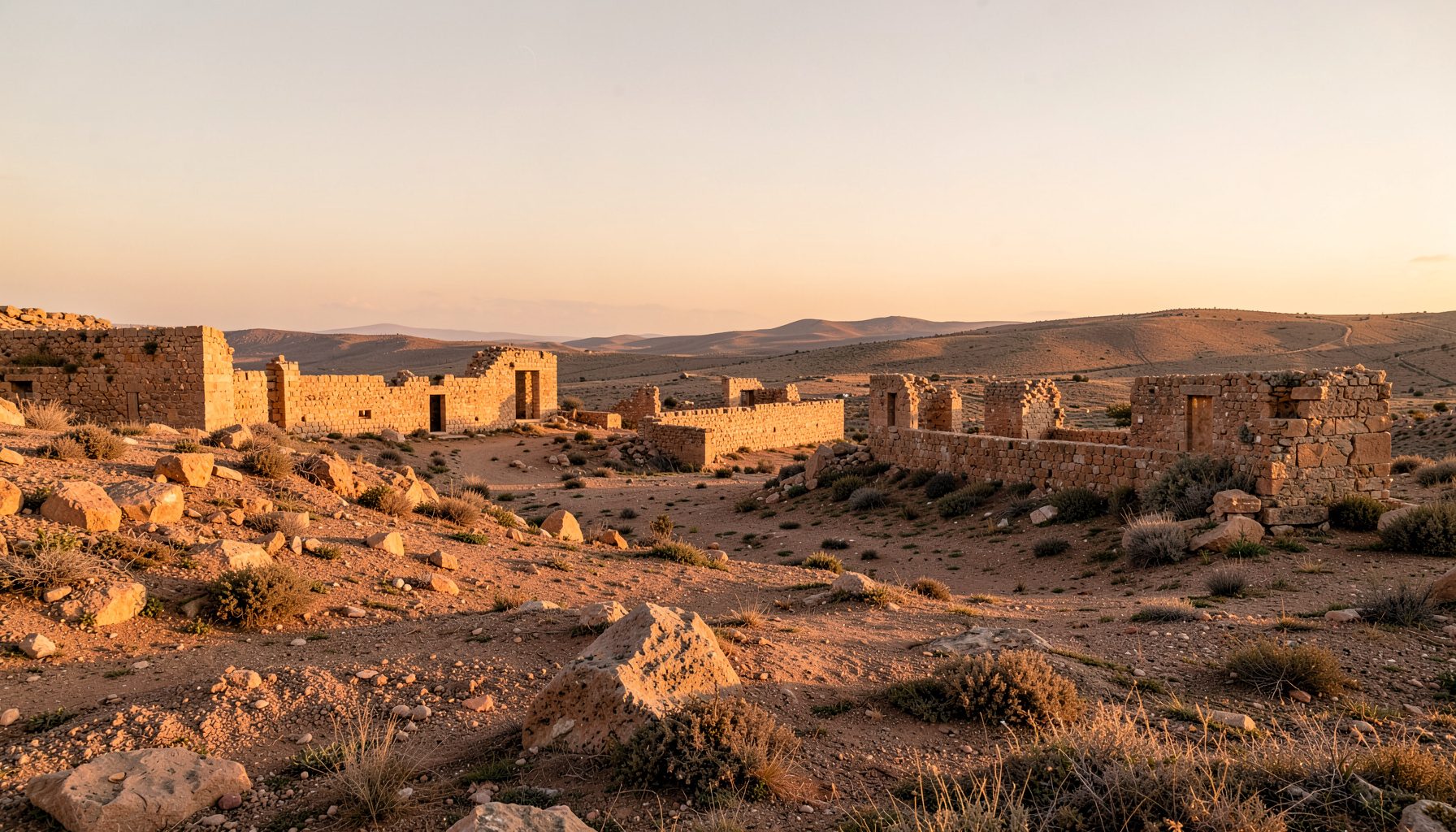
Governance
Under the Directorship of Harran's District Governor
The project is managed under the directorship of Ömer Faruk Çelik, District Governor of Harran, and realized with ADEM (Family Support Centre) within the Governorship of Harran. This institutional foundation ensures the initiative remains rooted in the community it serves.
Explore Further
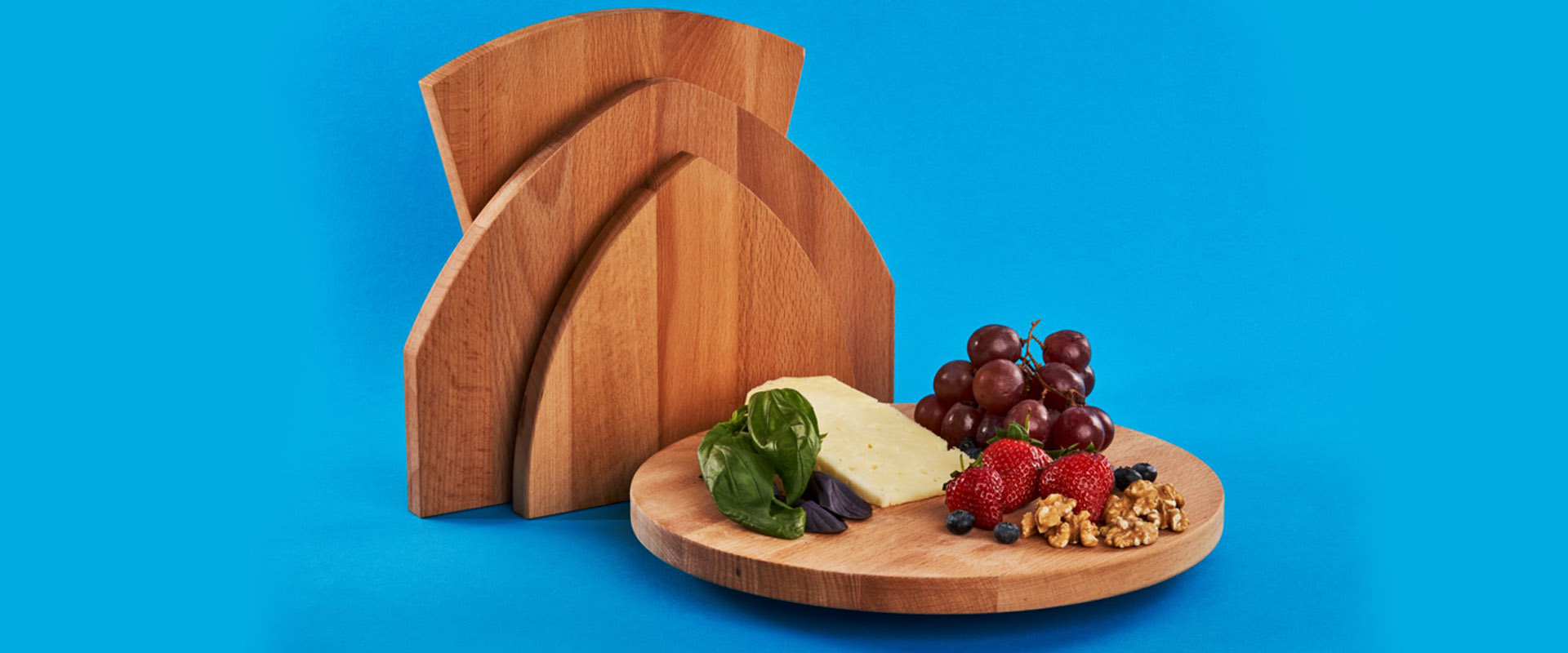
Design Collection
Discover products inspired by Mesopotamian culture, astronomy, and the traditional beliefs of Harran.
View Collection →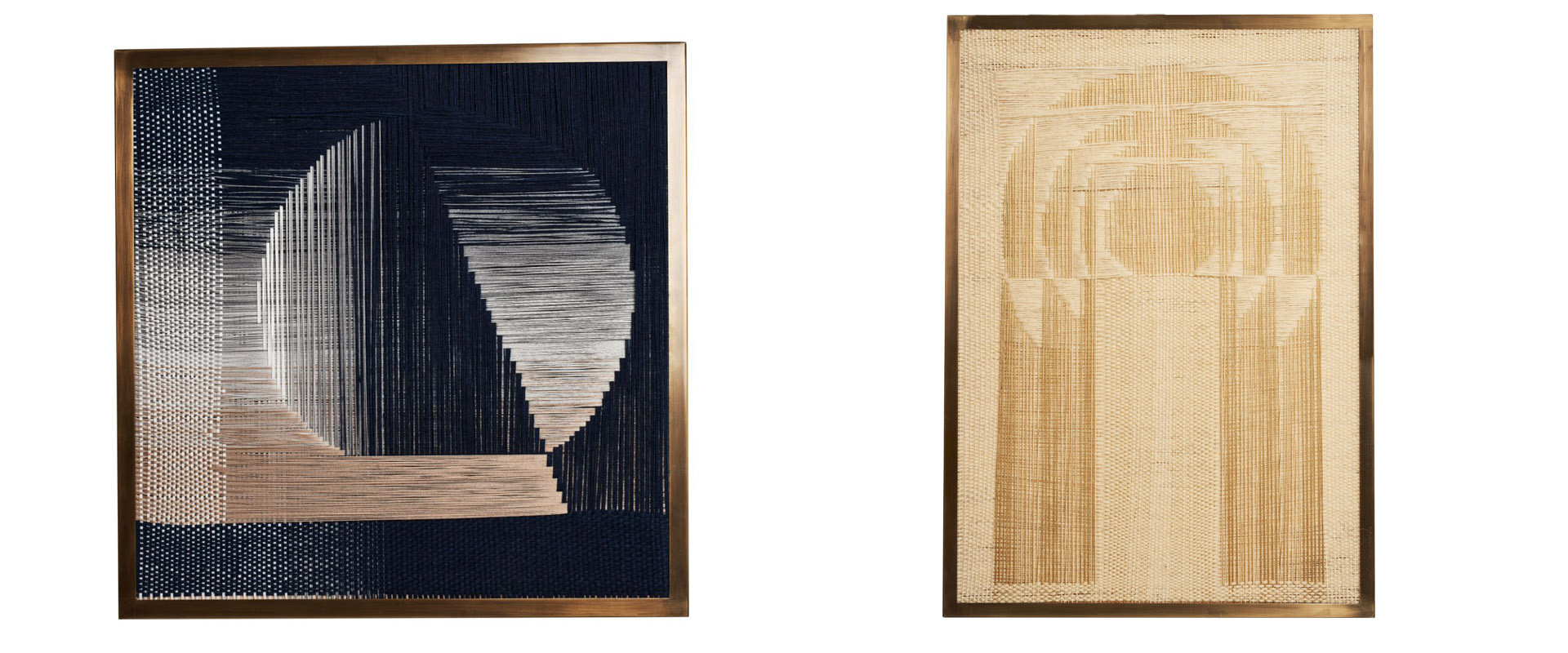
Design Team
Meet the curators and designers — Aslı Smith, Barış Gün, Begüm Cana Özgür, DAY Studio, and more.
Meet the Creatives →