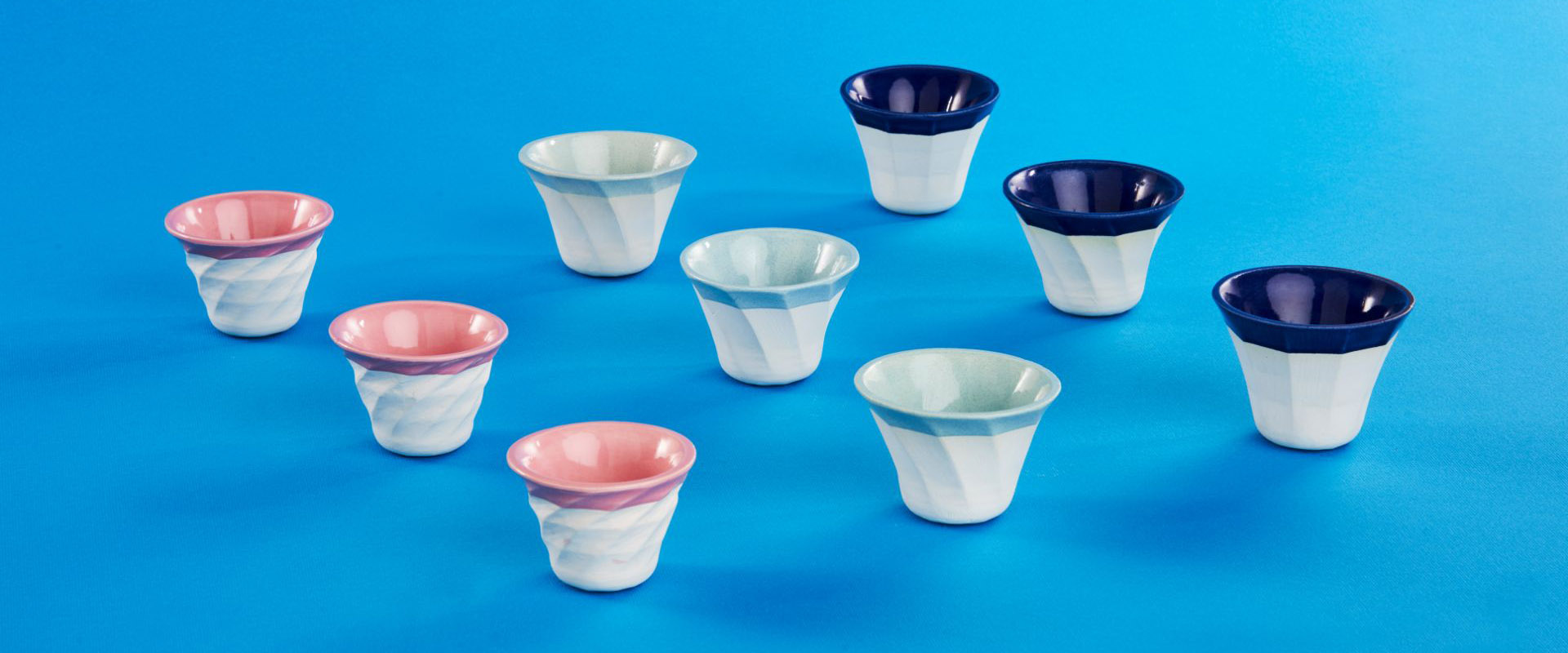
Sin, Shamas, Ishtar
A design series by Begüm Cana Özgür, inspired by the traditional astrolatry belief of the Haranians and the celestial bodies at its centre.
Seven celestial bodies, seven gods
The series draws on the Haranian belief in the seven celestial bodies of seven gods. Begüm Cana Özgür translates that celestial order into objects, carrying a Mesopotamian way of reading the sky into contemporary design.
The pieces belong to the Atlas Harran Design Collection, which translates Mesopotamian knowledge and aesthetics to our times, with handmade production by women in Harran.

The series in brief
Designer
Begüm Cana Özgür, one of the designers contributing to the Atlas collection.
Inspiration
The traditional astrolatry belief of the Haranians and the celestial bodies it honours.
Structure
Based on the seven celestial bodies of seven gods in Haranian belief.
Making
Handmade production by women in Harran, including local and Syrian refugee women.
Within the Atlas collection
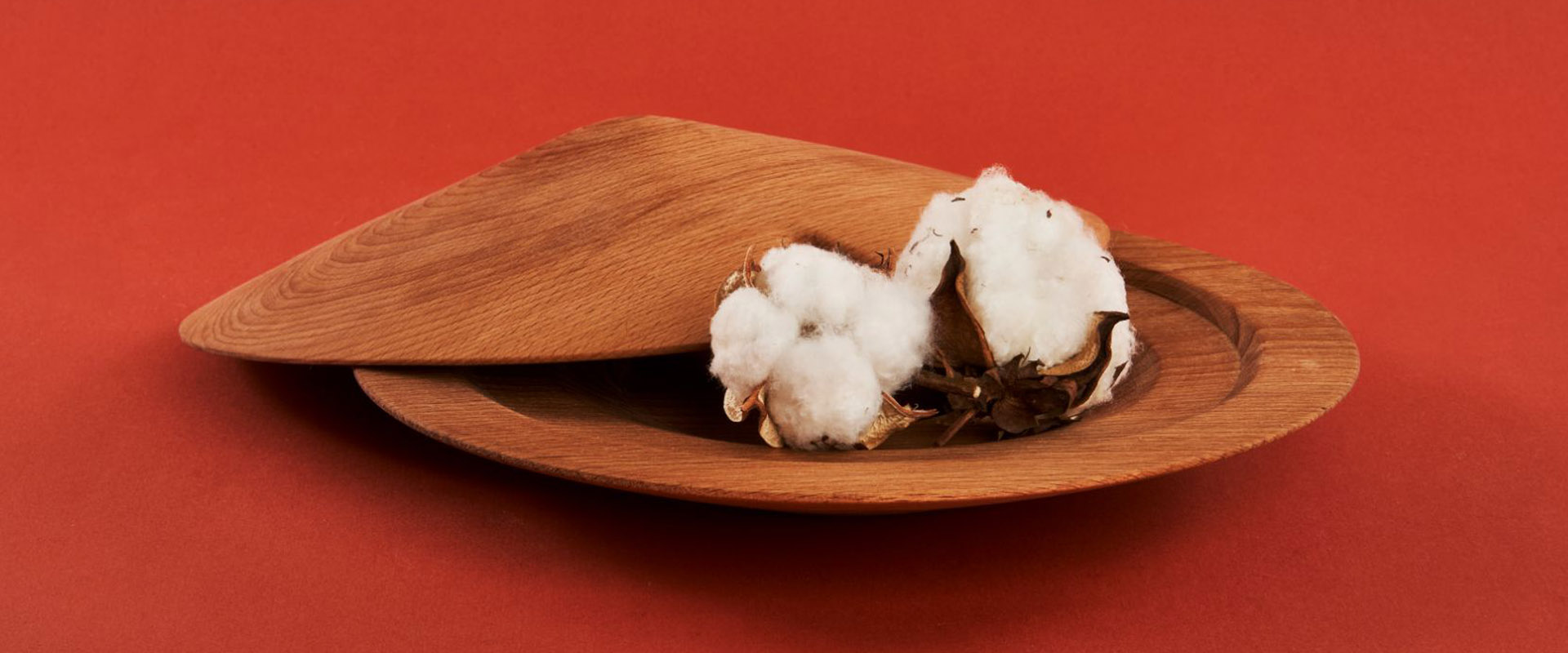
Sin, Shamas, Ishtar sits alongside other series in the collection, among them wooden cutting boards and serving platters by Barış Gün, the Mırra coffee cup series by DAY Studio, felt rugs and wall hangings by Aslı Smith, and tote bags by Öykü Özgencil.
The collection is curated by Bilgen Coşkun and Dilek Öztürk, founders of in-between.online, and is produced at the ADEM (Family Support Centre) within the Governorship of Harran.
The Sin, Shamas, Ishtar series sits within the wider Atlas Harran Design Collection, a curatorial project that reads Mesopotamian knowledge and aesthetics as a living language rather than a distant relic. Under the curatorship of the founders of in-between.online, the collection brings global design discussion together with social questions and a sustainable design economy, treating craft, belief and material culture as connected concerns. Each series is a translation: an old way of reading the world is carried carefully into contemporary form, so that the objects speak to present-day interiors while remaining rooted in the plains, layers and stories that first gave them meaning.
At the heart of this series is the Haranian astrolatry that placed seven celestial bodies and seven gods at the centre of a spiritual order, a cosmology in which the sky was read as a map of fortune, wisdom and cycles. Begüm Cana Özgür translates that celestial structure into designed objects, allowing the moon, the sun and the stars to become motifs, surfaces and gestures rather than mere decoration. The result is a contemporary translation that honours the original symbolism without freezing it, letting a Mesopotamian way of reading the sky inform tableware, textiles and forms that feel at home in the present.
What holds the collection together is a commitment to handmade production and to the people who carry traditional knowledge forward, often women working close to their roots and local cultures. Materials, colour and construction are chosen with an eye to durability and to a sustainable design economy, so that each piece tells a story of place, belief and skilled hands. Seen together, the series invites reflection on cycles, prosperity and the celestial bodies that once guided settled civilisations, offering a warm, layered and quietly confident aesthetic that connects ancient symbolism with contemporary design culture.